01
Recovery
Athletes and active adults may be interested in how hyperbaric sessions could fit into a larger recovery routine.
Hyperbaric therapy has become increasingly popular among athletes, recovery-focused clients, longevity enthusiasts, and people looking for new ways to support how they feel and recover.But it is also one of the more confusing wellness services to research.
Search online, and you will see people discussing hyperbaric therapy for everything from athletic recovery and brain health to cancer support, inflammation, energy, and detoxification.
Some of those conversations are connected to established medical uses of hyperbaric oxygen therapy.
Others involve emerging research.
And some claims go far beyond what current evidence can support.
At Ageless Recovery & Medspa in Mesa, we believe you should understand that difference before stepping into an HBOT chamber.
Our hyperbaric service is offered as part of a broader recovery and wellness experience. We do not use the chamber to diagnose or treat serious medical conditions.
What we can do is help you understand the experience, explain why people are interested in hyperbaric therapy, review relevant safety considerations, and help you determine whether adding sessions to your wellness routine is worth exploring.
People arrive at hyperbaric therapy from very different starting points.
Athletes and active adults may be interested in how hyperbaric sessions could fit into a larger recovery routine.
People often encounter discussions about hyperbaric therapy while researching concussion, traumatic brain injury, cognitive performance, or neurological recovery.
Someone undergoing cancer treatment may hear about medical hyperbaric oxygen therapy in connection with radiation-related tissue injury or research involving oxygen and tumors.
Others simply want to explore recovery technology, oxygen-based wellness, energy, resilience, or what is sometimes marketed as “detoxification.”
Those interests are not medically equivalent.
Understanding the difference is part of becoming an informed client.
Certain conditions have recognized medical hyperbaric applications and belong under appropriately trained medical providers and hyperbaric programs.
Other areas, including aspects of brain injury, athletic recovery, and cancer-related research, continue to be studied.
People also use hyperbaric chambers as part of recovery, performance, longevity, relaxation, and broader wellness routines.
They are not.
The Undersea and Hyperbaric Medical Society recognizes specific medical indications for clinical hyperbaric oxygen therapy, including conditions such as decompression sickness, carbon monoxide poisoning, selected difficult wounds, radiation tissue injury, certain infections, compromised grafts and flaps, and other defined medical situations.
Those are medical uses.
A wellness center should not imply that access to an HBOT chamber automatically means it is providing those treatments.
The Undersea and Hyperbaric Medical Society recognizes specific medical indications for clinical hyperbaric oxygen therapy, including conditions such as decompression sickness, carbon monoxide poisoning, selected difficult wounds, radiation tissue injury, certain infections, compromised grafts and flaps, and other defined medical situations.
Athletic recovery is one of the more natural reasons someone may become interested in hyperbaric therapy.
Training creates physical stress.
Recovery determines how well you can return to activity.
That is why athletes constantly explore strategies involving nutrition, sleep, hydration, mobility, massage, cryotherapy, red light therapy, compression, and other recovery technologies.
Hyperbaric therapy has also entered that conversation.
Researchers have investigated HBOT in areas such as muscle recovery, metabolic recovery, injury recovery, and athletic performance.
A recent systematic review and meta-analysis found evidence of lower post-exercise blood lactate after hyperbaric oxygen exposure, while effects on measures such as short-term power and force production were more limited. Researchers also noted differences among protocols and participant groups.
What does that mean for the average person?
Not that an HBOT chamber will automatically make you faster, stronger, or recover from an injury in half the time.
It means athletic recovery is an active area of research and one reason athletes are interested in hyperbaric therapy.
At Ageless Recovery & Medspa, a client may choose hyperbaric sessions as one component of a larger recovery routine that also includes appropriate rest, training, nutrition, hydration, and other services.
This is another area where online claims can become much stronger than the actual evidence.
Hyperbaric oxygen therapy has been studied for traumatic brain injury, including military populations with a history of mild TBI.
The results have not produced a simple answer.
A Department of Veterans Affairs evidence review found that research in hospitalized patients with acute moderate to severe TBI suggested potential improvements in mortality and coma severity, but it remained unclear whether those effects translated into better long-term function. For chronic or mild TBI and related symptoms, results across controlled studies have been inconsistent, and the evidence has not supported broad use of HBOT as an initial treatment.
That distinction matters.
Do not interpret a wellness HBOT page as a recommendation to treat your brain injury.
A traumatic brain injury is a medical condition.
If you are experiencing persistent neurological symptoms, cognitive changes, headaches, dizziness, balance problems, behavioral changes, or other concerns after a head injury, appropriate medical evaluation should come first.
You can still ask the Ageless team about hyperbaric therapy.
But treatment of TBI itself belongs in a medical conversation with professionals qualified to evaluate that condition.
Hyperbaric oxygen and cancer is a particularly important topic to explain carefully.
HBOT is not a cancer cure.
Ageless Recovery & Medspa does not provide hyperbaric therapy as treatment for cancer and should never replace oncology care.
So why does hyperbaric therapy appear in cancer-related searches?
There are several reasons.
One recognized medical use of hyperbaric oxygen therapy involves certain delayed injuries caused by radiation treatment. These cases are managed medically and are different from using a wellness HBOT chamber simply because someone has a history of cancer. The Undersea and Hyperbaric Medical Society includes delayed radiation injury among its recognized indications for medical HBOT.
Researchers have also studied how oxygen levels within tumors may affect cancer biology and response to treatment. The National Cancer Institute notes that under medical hyperbaric conditions, increased oxygen delivery to hypoxic tumor cells may increase sensitivity to radiation and chemotherapy, and HBOT may also have a role in healing certain radiation-related injuries. That does not mean someone should independently add hyperbaric therapy to cancer treatment. Treatment combinations, timing, safety, and individual medical circumstances matter.
Talk with your oncologist before using an HBOT chamber. Your oncology team should know about any complementary wellness service you are considering. Ageless should not advise you to begin hyperbaric sessions as treatment for cancer or in place of oncology-directed care.
This question appears frequently because people understandably wonder whether increasing oxygen availability could encourage tumor growth.
The relationship between oxygen and cancer biology is much more complicated than the idea that “oxygen feeds cancer.”
Reviews of the literature have not found convincing evidence that appropriately administered HBOT generally stimulates tumor growth or recurrence. At the same time, that does not turn HBOT into a cancer treatment or mean it is appropriate for every person with active or previous cancer.
The useful takeaway is simpler:
Cancer-related decisions should involve your oncology team.
Do not rely on wellness marketing, social media, or another person’s experience when deciding how hyperbaric therapy fits alongside cancer care.
The word detox is everywhere in wellness.
The problem is that the word often means something different depending on who is using it.
Your body already has sophisticated systems involving the liver, kidneys, lungs, gastrointestinal system, and other processes that help manage and eliminate substances.
There is not strong evidence that routine hyperbaric wellness sessions broadly “flush toxins” from the body in the way that some marketing suggests.
That does not mean hyperbaric oxygen has no relationship with toxic exposures.
For example, carbon monoxide poisoning is a recognized medical indication for hyperbaric oxygen therapy in selected situations.
We would rather explain that distinction than promise a vague detox benefit. If you are concerned about an actual toxin exposure, heavy-metal exposure, poisoning, or environmental illness, seek appropriate medical evaluation. If by “detox” you mean that you are looking for a wellness experience that feels restorative and fits into a healthier overall routine, that is a different conversation.
Hyperbaric Therapy
Some clients are not trying to treat anything. They are simply interested in feeling more intentional about recovery.
They may train frequently, work long hours, travel, sleep inconsistently, have demanding family schedules, or spend a lot of time trying to stay physically active.
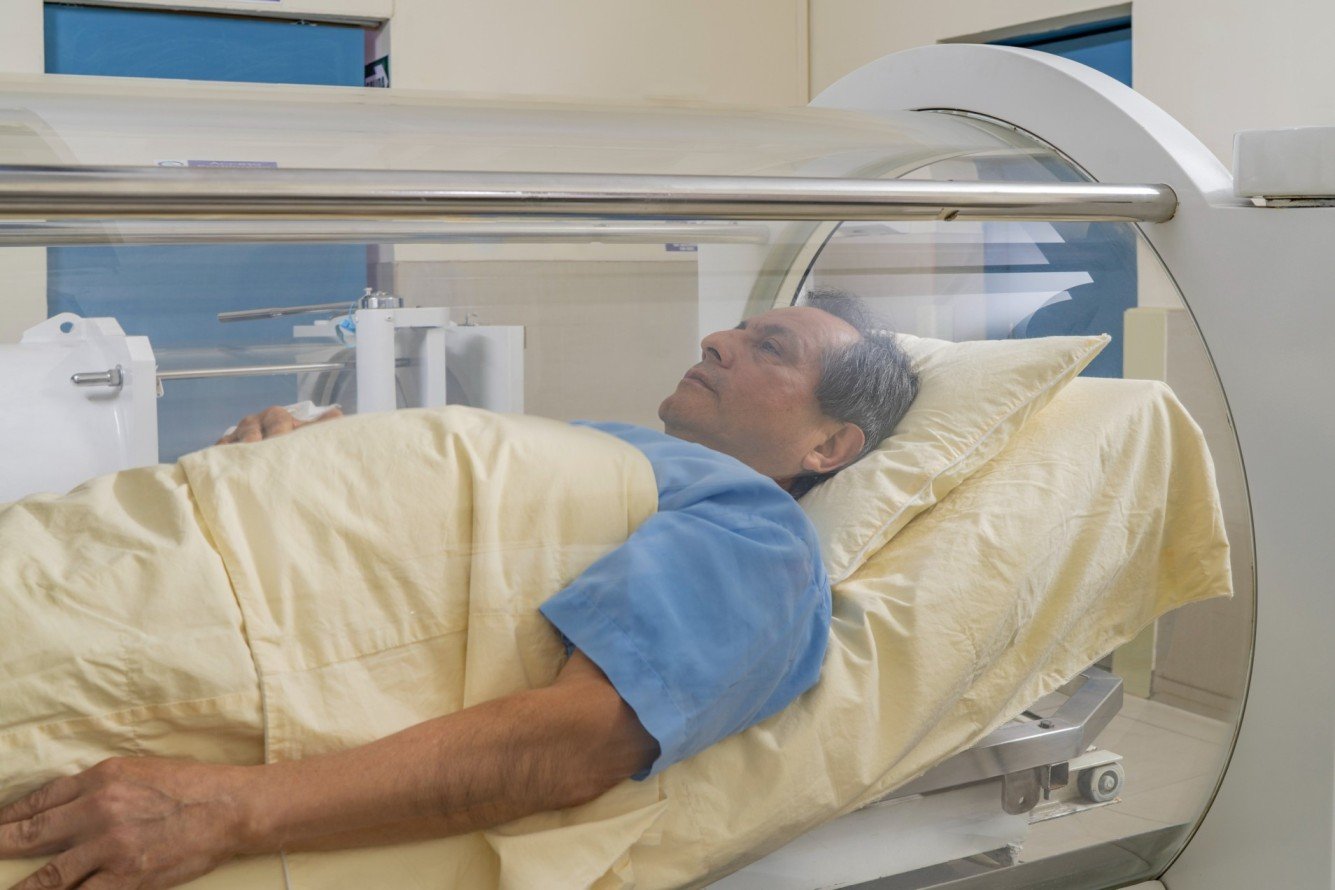
For someone like that, the attraction of an HBOT chamber can be very straightforward. It creates structured downtime. You enter the chamber, the environment gradually pressurizes, and you relax.
For a period of time, you are not exercising, working, running errands, or trying to accomplish another task. Some people value that experience by itself.
Others incorporate hyperbaric sessions into a broader wellness routine that includes red light therapy, cryotherapy, massage, mobility, strength training, nutrition, or other recovery practices.
You do not need a dramatic medical claim to find value in slowing down and paying more attention to recovery.
Check in and review the session process. If this is your first visit, ask questions before entering the HBOT chamber.
Staff will explain relevant safety rules, what you can bring into the chamber, and what you should expect as the session begins.
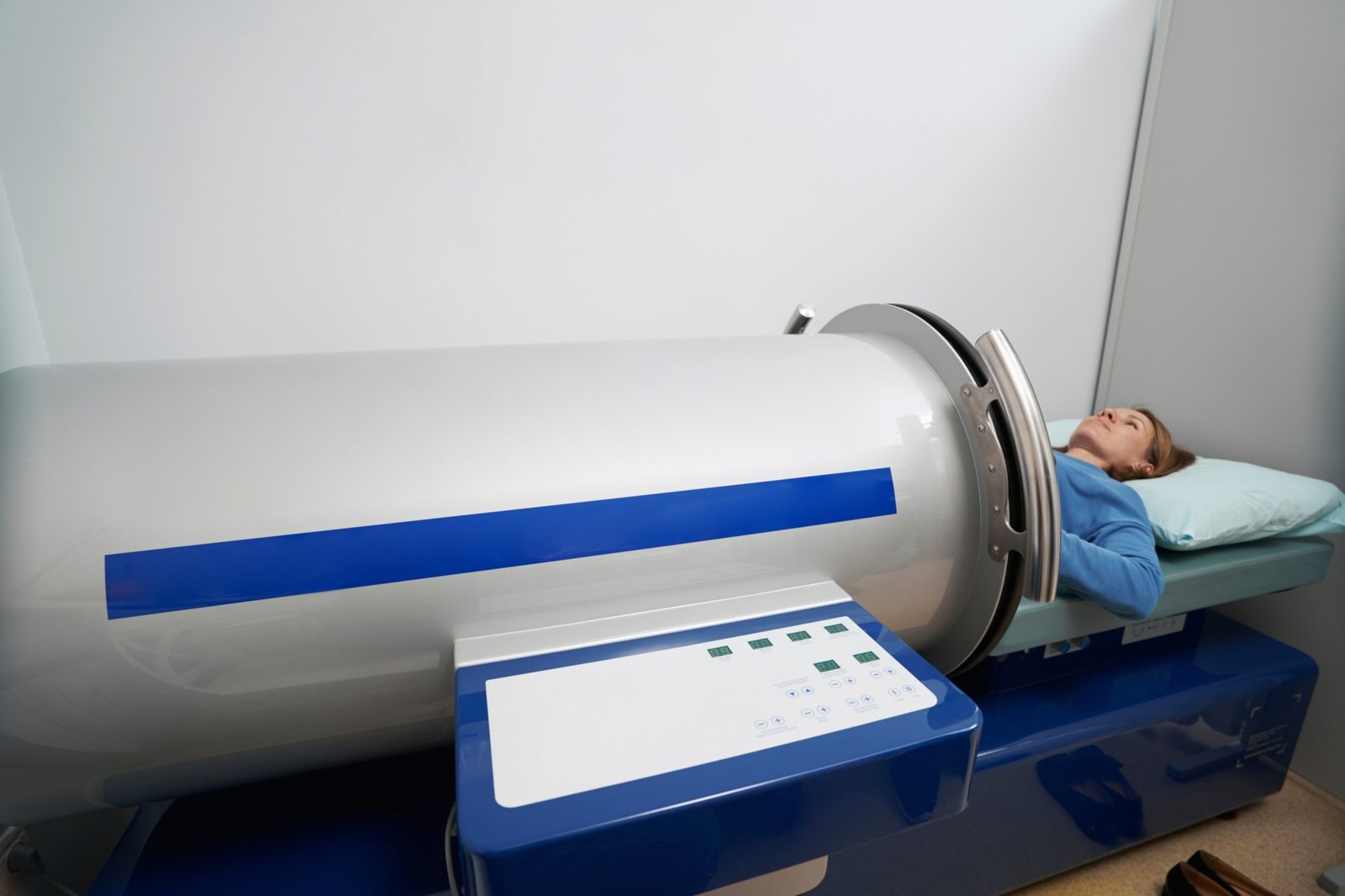
The chamber gradually becomes pressurized. Many people notice changes in ear pressure similar to flying in an airplane or changing elevation.
Once the session is underway, the experience is passive. Follow the clinic’s chamber instructions and use the session as time to rest.
At the end of the session, the chamber gradually returns toward normal atmospheric pressure.
Once the session is finished, you can continue your day according to any guidance provided by the Ageless team.
An HBOT chamber is not simply a relaxation pod. It is specialized equipment operating in a pressurized environment. That is why Ageless should have clear procedures around chamber use. Before entering, clients should follow staff instructions regarding clothing, electronics, personal products, and other items. Relevant medical history should also be discussed before the first session. Depending on the person, that may include information about:
Ear or sinus problems
Difficulty equalizing pressure
Lung conditions
Recent procedures or surgery
Current illness
Pregnancy
Medications
Previous hyperbaric treatment
Concerns about enclosed environments
Other health conditions that could affect chamber safety
If something changes in your health between sessions, tell the team.
Hoping to Change
You should not use a wellness HBOT chamber as a substitute for medical evaluation.
Talk with an appropriate healthcare professional before using hyperbaric therapy if you are dealing with a diagnosed condition, recovering from significant surgery or injury, actively undergoing cancer treatment, experiencing neurological symptoms, or have another medical concern that could affect safety.
This is particularly important if your reason for researching hyperbaric therapy is:
Coordinate with your oncology team.
Seek appropriate neurological or medical evaluation rather than relying on a wellness chamber to treat symptoms.
Medical wound care and medical HBOT are different from wellness hyperbaric sessions.
Poisoning and toxic exposures require medical evaluation.
An HBOT chamber should not replace diagnosis, rehabilitation, or treatment of an injury. Being interested in complementary wellness services is reasonable. Replacing appropriate medical care is not.
Hyperbaric therapy is part of a larger recovery and wellness experience at Ageless Recovery & Medspa in Mesa.
Some clients may be interested primarily in the HBOT chamber.
Others may be building a broader recovery routine around several technologies.
A pressurized chamber experience incorporated into recovery and wellness routines.
Light-based sessions that can be explored as part of skin and recovery routines.
Controlled cold exposure for clients interested in another recovery modality.
These services do not need to be used together.
They are simply different tools that people may explore depending on their goals, preferences, schedule, and individual circumstances.
Explore Red Light Therapy
Explore Cryotherapy
That question often leads people directly into exaggerated claims.
A better question is:
Common Questions
Not necessarily. Medical hyperbaric oxygen therapy is delivered for specific medical indications under defined medical protocols. Ageless offers hyperbaric chamber sessions within a recovery and wellness setting and does not use the chamber to treat serious medical conditions.
Hyperbaric oxygen has been researched for athletic recovery, muscle recovery, and exercise-related physiology. Some studies have reported changes in recovery markers such as post-exercise lactate, while effects on performance measures have been less consistent. Individual results should not be guaranteed.
HBOT has been researched for TBI, but evidence is mixed and depends on factors such as injury severity, timing, and treatment protocol. It should not be presented as a proven wellness-center treatment for concussion or chronic TBI symptoms.
Hyperbaric oxygen has specific medical applications related to some radiation injuries and has been studied in cancer-related settings. Someone with active cancer or undergoing cancer treatment should speak with their oncology team before considering hyperbaric therapy. Ageless does not use HBOT to treat cancer.
We do not describe hyperbaric therapy as a general detoxification treatment. Claims that routine HBOT broadly removes unspecified “toxins” are not well established. Actual poisoning or toxic exposure requires appropriate medical care.
Many people notice changes in their ears while the chamber pressurizes or returns to normal pressure, similar to air travel or elevation changes. The Ageless team will explain what to expect.
Hyperbaric therapy sessions are 60 to 90 minutes, based on your individual treatment plan with Natasha.
There is no single wellness schedule appropriate for everyone. Ageless can discuss session options based on your goals, schedule, experience, and the program the clinic ultimately offers.
Hyperbaric therapy Consultation · Mesa
You may be interested in hyperbaric therapy because you are an athlete. Because recovery has become more important to you. Because you are exploring longevity technologies. Because you heard about HBOT while researching brain health or cancer-related care. Or simply because you are curious about what spending time in a hyperbaric chamber actually feels like. Whatever brought you here, you deserve information that separates reasonable expectations from exaggerated promises.
Ageless Recovery & Medspa offers clients in Mesa access to an HBOT chamber as part of a broader approach to recovery and wellness.
We can explain the experience, review relevant safety considerations, answer your questions, and help you determine whether hyperbaric sessions make sense to explore as part of your routine.