Full-body red light therapy for adults interested in skin appearance and exercise recovery.
Ageless Recovery & Wellness offers red light therapy in Mesa, Arizona, using the Spectra S10 Pro, a commercial full-body LED light bed.
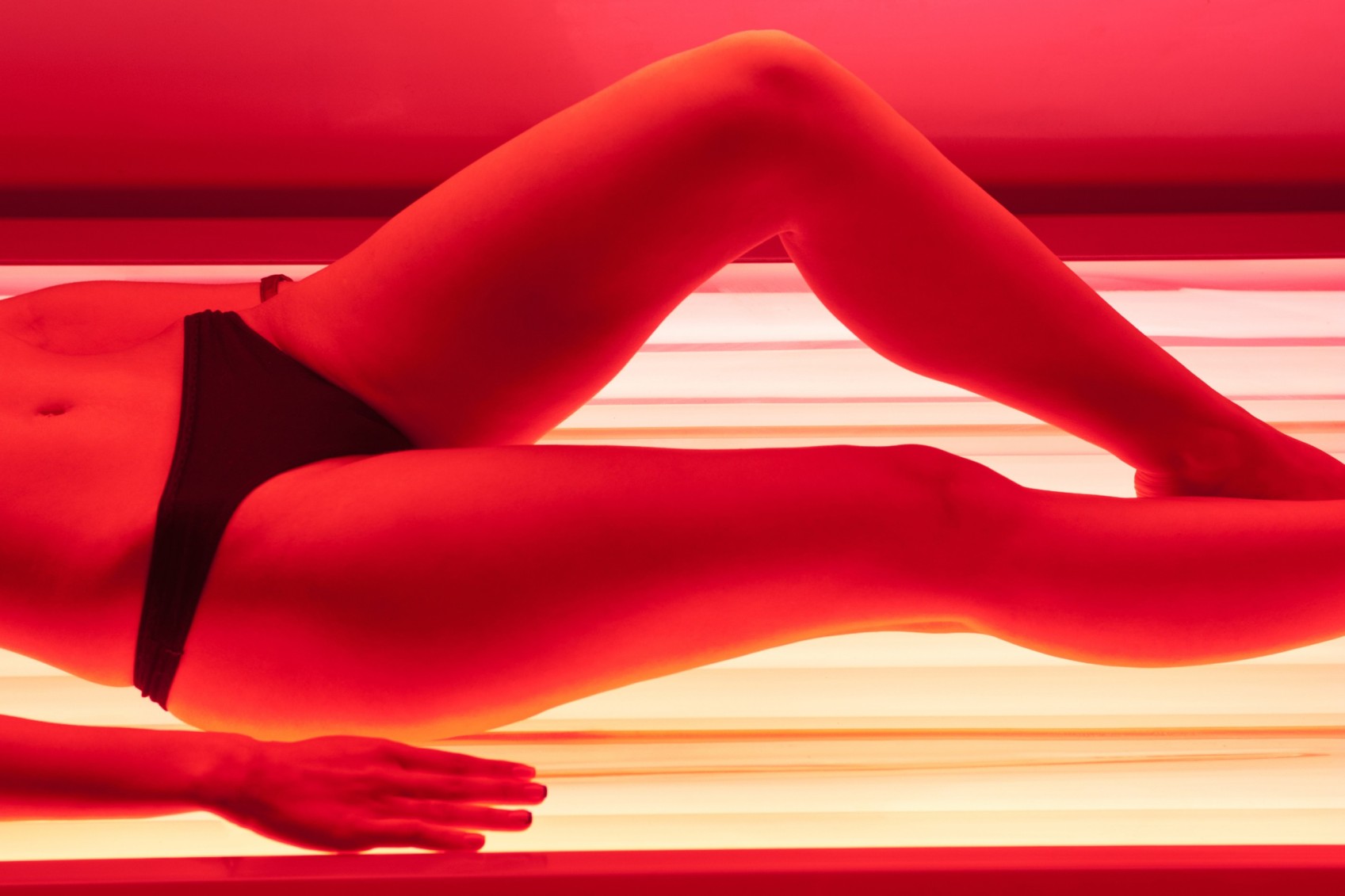
During a session, clients recline while selected wavelengths of light are delivered across the body.
Some people explore red light therapy for the appearance of fine lines, wrinkles, and uneven skin texture. Others are interested in light-based approaches being studied for post-exercise soreness and physical recovery.
The Spectra S10 Pro features a reclining design with upper and lower LED panels that allow light to reach a larger area of the body during a dedicated session.
This provides a different experience from handheld red light devices, facial masks, and smaller LED panels.
Although the service is commonly called red light therapy, the Spectra S10 Pro is a multiwavelength LED system. According to the manufacturer, the bed uses several categories of light, including:
The S10 Pro includes preset programs that use selected wavelengths and exposure settings.
Each wavelength interacts with tissue differently. Research supporting one type of light cannot automatically be applied to another, and using more wavelengths does not necessarily produce better outcomes.
The Spectra S10 Pro includes a movable upper section and built-in cooling features to help manage equipment temperature during operation.
Actual light delivery varies according to body positioning and the selected program.
For clients interested in red light therapy without purchasing or operating equipment at home, the S10 Pro provides a dedicated session format at Ageless Recovery & Wellness.
Red Light Therapy
Red light therapy uses selected wavelengths of visible red light, often combined with near-infrared light, to influence biological activity in exposed tissues.
The scientific term for this process is photobiomodulation, commonly abbreviated as PBM.
Researchers have found that certain red and near-infrared light exposures can influence cellular signaling and processes associated with energy use.
These effects involve biological structures such as mitochondria, which help cells produce usable energy. Scientists are studying how these responses relate to skin appearance, exercise recovery, and other physiological functions.
Visible red light can be seen by the human eye, while near-infrared wavelengths are generally invisible. Both have been investigated in photobiomodulation research, but their effects depend on the wavelength, intensity, exposure duration, and tissue being studied.
These biological responses help explain the scientific interest in red light therapy. However, observing changes in cellular activity does not automatically establish that a particular device will produce a specific cosmetic or recovery benefit.
Red light therapy is different from ultraviolet tanning. UV tanning relies on ultraviolet radiation that can damage the skin and increase the risk of skin cancer. The Spectra S10 Pro is an LED light therapy bed, not a UV tanning bed.
It is also different from an infrared sauna. Infrared saunas primarily use radiant heat to warm the body, while red light therapy focuses on selected light wavelengths used in photobiomodulation.
A red light bed may produce some warmth during operation, but the session is designed around light exposure rather than the high-temperature experience associated with a sauna.
People consider red light therapy for different reasons, with skin appearance and exercise-related recovery among the most common interests.
These applications have separate bodies of research, and the results depend on the equipment and light exposure used.
Skin appearance is one of the more extensively studied applications of red and near-infrared LED light.
Researchers have investigated whether repeated exposure to selected wavelengths can influence visible skin characteristics, including fine lines, wrinkles, texture, and elasticity.
Collagen is one factor involved in these changes. It is a structural protein that helps provide firmness and support to the skin. Researchers have studied whether particular light exposures influence cellular processes associated with collagen production and skin appearance.
Some clinical studies have reported improvements in selected skin measurements following a series of LED light sessions.
A 2026 systematic review examining LED devices for facial rejuvenation evaluated eight studies involving 365 participants.
The researchers reported improvements in several measures of facial skin appearance, including wrinkles, texture, and elasticity. The studies primarily involved red and near-infrared light, although the devices and exposure protocols differed.
Importantly, this review examined at-home LED devices rather than the commercial Spectra S10 Pro bed.
Its findings provide useful context for people interested in light-based skin care, but they do not establish that the S10 Pro produces identical results or reverses skin aging.
Visible changes, when reported in clinical studies, are generally assessed after repeated exposures rather than a single session.
Red and near-infrared light have also been studied for their potential effects on muscle soreness and physical recovery following exercise.
For people who lift weights, run, cycle, or participate in other demanding activities, recovery is an important part of maintaining a consistent exercise routine.
Researchers have investigated whether photobiomodulation influences perceived soreness, muscle function, and selected recovery measurements after exercise.
Some studies report favorable results for particular outcomes. However, findings depend on the light source, exposure protocol, timing, and type of exercise.
Many exercise-recovery studies involve focused light devices applied directly to specific muscle groups.
Those findings cannot automatically be transferred to a commercial full-body bed such as the Spectra S10 Pro.
Red light therapy may be of interest to active adults exploring recovery options, but faster healing, injury prevention, and improved athletic performance have not been established for this particular device.
Red Light Therapy Session
If you’re considering a full-body red light session for the first time, understanding the experience can help you feel more prepared.
The Spectra S10 Pro allows clients to recline while a selected light program runs. There are no injections or surgical procedures involved.
Before participating, consider any health conditions, medications, or skin concerns that could affect your response to light exposure.
Certain medications can increase sensitivity to light. Some medical conditions can also make exposure to specific wavelengths inappropriate.
It’s important to disclose relevant concerns involving photosensitivity, significant eye conditions, or previous unusual reactions to light.
Preparation instructions should address any relevant skin products and the eye protection required for the selected program.
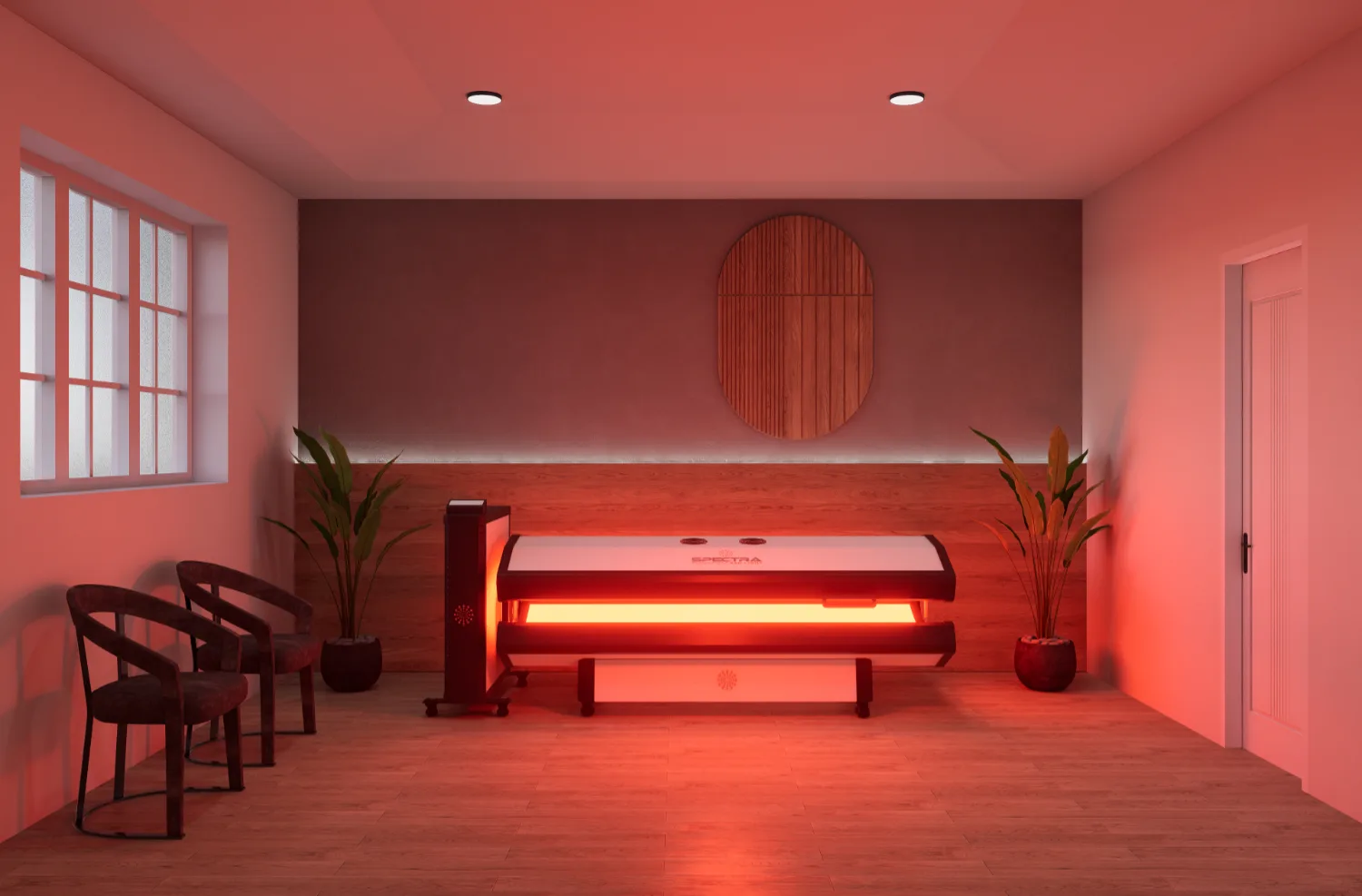
Once positioned inside the bed, you remain reclining while the selected light program runs.
The light may appear bright, and some warmth may be noticeable during exposure.
The duration of the session depends on the selected program and the equipment’s operating instructions.
Eye protection is particularly important when blue light is used.
The Spectra S10 Pro manufacturer’s instructions specifically require protective eyewear whenever blue light is activated.
Clients should follow the eye-protection requirements for the program being used, even if they do not have a known light-sensitive condition.
If unusual discomfort, excessive warmth, or eye irritation occurs, the session should stop.
Red light therapy does not involve the recovery process associated with surgery or injections, although individual responses to light exposure can differ.
Some people may experience temporary warmth, mild skin irritation, or other short-term sensations following a session.
Persistent irritation, unusual eye symptoms, or other concerning reactions should be discussed with an appropriate healthcare professional.
Red Light Therapy Safe
Red light therapy appears generally well tolerated in the short term when appropriate equipment and exposure procedures are used.
However, safety depends on the wavelengths delivered, exposure duration, eye protection, and individual health considerations.
Because the Spectra S10 Pro uses multiple types of light, the safety requirements for the selected program are important.
The American Academy of Dermatology’s guidance on red light therapy explains that temporary discomfort or skin irritation can occur and emphasizes following device instructions and considering relevant health conditions.
Long-term effects of repeated exposure have not been fully established for every device and application.
Certain health conditions and medications may affect whether red light therapy is appropriate.
Important considerations include:
People with suspicious or changing skin lesions should also seek appropriate medical evaluation rather than relying on light-based wellness sessions.
This list is not exhaustive. The equipment’s safety instructions and individual health circumstances should guide participation.
A red light therapy session should not involve significant pain or persistent discomfort.
If unusual skin irritation, eye discomfort, excessive warmth, dizziness, or another concerning symptom occurs, stop the exposure and seek assistance. Red light therapy should not replace appropriate medical care for a diagnosed condition.
Red Light Therapy At Mesa
Ageless Recovery & Wellness offers red light therapy at its location on North Power Road in Mesa, Arizona.
For clients whose primary interest involves a broader range of cosmetic skin concerns, Ageless Recovery also offers professional skin care in Mesa.
Professional skin care and red light therapy are different services. Each involves its own procedures and considerations, and neither is automatically appropriate for every client.
Our Mesa location also welcomes clients from Gilbert, Tempe, Queen Creek, and surrounding East Valley communities.
Ageless Recovery & Wellness
2824 N Power Rd, Suite 104
Mesa, AZ 85215
Phone: (480) 462-5733
Email: agelessbynatasharn@gmail.com
Common Questions
The Spectra S10 Pro uses preset light programs designed for relatively short sessions. The actual duration depends on the program and equipment configuration in use. The total appointment may also include preparation time. Ageless Recovery & Wellness can provide its current session details when you inquire.
There is no universal schedule appropriate for every person, device, or wellness goal. Clinical studies examining skin appearance commonly evaluate changes following repeated exposures, but the frequency and duration vary among studies. Research schedules developed for facial masks or focused LED devices should not automatically be applied to a commercial full-body bed. Session frequency should follow the equipment's operating instructions and take relevant individual circumstances into account.
Clothing can prevent light from reaching covered areas of the skin, so the amount of coverage matters. What you wear depends on the selected program, preparation requirements, and your comfort. Ageless Recovery & Wellness can explain its current clothing guidance and whether any skincare products should be removed before a session.
For current red light therapy pricing, appointment availability, and first-visit information, contact Ageless Recovery & Wellness at (480) 462-5733. You can also request an initial consultation to ask questions before deciding whether to schedule a session.
Tirzepatide Weight Loss Mesa Az
An initial consultation gives you an opportunity to discuss your interest in red light therapy and get practical details about pricing, appointment availability, and your first visit.